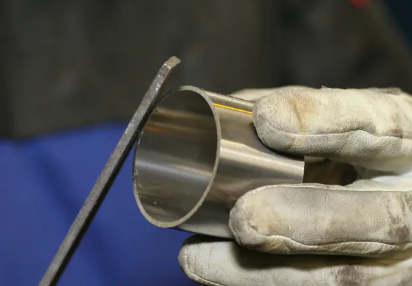

Industrial equipment often operates under conditions that place significant demands on welded joints. Chemical exposure, elevated temperatures, pressure changes, and mechanical stress can gradually affect material performance. In industries such as chemical processing, power generation, marine engineering, and specialised manufacturing, selecting suitable welding materials is essential for achieving dependable results.
Nickel-based alloys are valued for their ability to perform in applications where ordinary materials may not provide the required resistance to corrosion or heat. However, successful fabrication depends on more than choosing a material from a particular alloy family. Engineers and purchasing teams must consider the base metal, service conditions, welding process, and applicable quality standards.
Understanding these factors helps manufacturers make informed decisions, reduce rework, and maintain consistency throughout the fabrication process.
Why Welding Material Selection Matters
A welded joint connects components that must often perform as a single structure. If the filler material is unsuitable for the base metal or operating environment, the joint may experience premature deterioration, cracking, or other performance problems.
Material selection should therefore begin during the engineering and design stages rather than after fabrication has started.
Resistance to Corrosion
Corrosion resistance is a major consideration in equipment exposed to aggressive chemicals, saltwater, moisture, or other reactive substances. The correct filler material can help maintain the integrity of a joint under the specified service conditions.
Nevertheless, corrosion resistance varies between alloys and environments. A material that performs well in one chemical solution may behave differently in another, particularly when temperature and concentration change.
Engineers should evaluate the complete operating environment before specifying the filler material. Relevant factors may include chemical composition, temperature, exposure duration, and the possibility of localised corrosion.
Performance at Elevated Temperatures
High-temperature applications create additional challenges. Thermal expansion, repeated heating and cooling, and prolonged exposure to heat can influence the behaviour of welded components.
Equipment such as heat exchangers, industrial furnaces, and selected power-generation systems may require materials designed for specific temperature ranges.
The filler alloy should be chosen according to the component’s operating requirements and the relevant engineering standards. General claims about heat resistance should not replace technical evaluation.
Mechanical Integrity
Welded joints must also withstand the loads expected during operation. Depending on the application, engineers may need to consider tensile strength, ductility, fatigue resistance, and resistance to cracking.
The performance of a completed joint depends on the combined effect of material selection, joint design, welding procedure, and workmanship. No single consumable can compensate for an unsuitable design or poorly controlled welding process.
Understanding Different Welding Consumables
Welding consumables include the filler materials and related products used during joining operations. Their form and composition depend on the welding process, the materials being joined, and the required properties of the finished component.
Nickel-based filler products are available in different classifications and product forms. Each option serves particular fabrication requirements.
Solid Welding Wire
Solid wire is used in several mechanised and semi-automatic welding processes. It provides a consistent filler material when the selected wire, equipment settings, shielding conditions, and welding procedure are appropriate.
Manufacturers may select solid wire for production environments where repeatability and process control are important. Wire diameter, alloy classification, feedability, and packaging should all be considered before procurement.
Welding Electrodes
Covered electrodes are used in manual welding applications where their characteristics suit the joint and working conditions. They may be practical for maintenance, repairs, or fabrication in locations where other welding methods are less convenient.
Electrode selection requires attention to the applicable classification, handling instructions, and storage requirements.
Choosing the Appropriate Product Form
The decision between wire and other consumable forms depends on access to the joint, production volume, welding position, equipment availability, and procedure requirements.
A qualified welding professional should determine the appropriate product rather than relying solely on price or general product descriptions.
Selecting Suitable Materials for Specific Applications
Different industries place different demands on welded components. Understanding the application helps procurement teams identify the technical information needed before requesting quotations.
Chemical Processing Equipment
Pipes, tanks, reactors, and heat-transfer equipment may be exposed to corrosive fluids and changing process conditions. Material selection should account for the actual chemical environment, operating temperature, and relevant design requirements.
Compatibility must be assessed for the entire system, including the base metal, filler material, and any post-weld treatment specified by the project.
Marine and Offshore Structures
Marine environments introduce saltwater exposure, moisture, and potentially demanding operating conditions. Components may also experience vibration, cyclic loading, and difficult maintenance access.
The required corrosion resistance depends on the precise application. Engineers should avoid assuming that every nickel alloy offers the same performance in seawater or other marine conditions.
Energy and Power Generation
Selected energy applications involve pressure, heat, or repeated temperature changes. Welded components may be subject to strict inspection and documentation requirements because their failure could interrupt operations or create safety risks.
Material selection should follow the applicable design codes and qualified welding procedures. Traceability is particularly important where the project requires records linking consumable batches to completed welds.
Building a Reliable Procurement Process
Purchasing teams play an important role in maintaining material quality. A structured process helps ensure that the consumables delivered to a facility match the engineering specification.
Prepare a Detailed Material Specification
Before contacting suppliers, define the required alloy classification, product form, dimensions, quantity, packaging, and delivery requirements. Include applicable standards and any mandatory testing or certification.
If the material is intended for a specific base-metal grade or corrosive environment, provide that information as well. Clear specifications make it easier to compare quotations on an equivalent basis.
Evaluate Supplier Capabilities
Businesses sourcing nickel welding consumables should examine product availability, technical documentation, quality-control practices, and delivery reliability.
Ask whether the supplier manufactures the material or distributes products from another producer. Where appropriate, request information about the manufacturer’s quality system and the traceability of supplied batches.
The ability to answer technical questions clearly is also valuable. Suppliers should be able to explain product classifications, available dimensions, documentation options, and expected lead times.
See also: Top Fantastic Travel Attractions in Sydney
Verify Documentation
Depending on project requirements, supporting documents may include chemical analysis reports, inspection records, batch identification, and conformity documentation.
Check that the paperwork corresponds to the actual product being supplied. If a specification or certificate contains inconsistent information, resolve the discrepancy before releasing the material for production.
Consider Total Procurement Cost
The lowest quotation is not always the most economical choice. Buyers should consider freight, import charges, testing, minimum order quantities, packaging, and the potential cost of production delays.
A supplier offering consistent quality and predictable delivery may provide greater overall value than a lower-priced alternative with uncertain availability or incomplete documentation.
Storage, Handling, and Inventory Management
Even correctly specified materials can become difficult to use if they are stored or handled improperly. Storage requirements vary by product, so manufacturers should follow the relevant technical instructions and workplace procedures.
Keep materials clearly labelled and separate different alloy classifications to reduce the risk of mix-ups. Preserve batch identification and maintain records that connect incoming stock with its documentation.
Inspect packaging when deliveries arrive. If labels are damaged, material identity is unclear, or packaging appears compromised, place the affected stock on hold until its suitability has been assessed.
Inventory planning also helps avoid last-minute substitutions. Establishing reorder points for frequently used products can support production continuity without encouraging excessive stockholding.
Improving Quality Through Process Control
Reliable welding requires coordination between materials, equipment, personnel, and inspection procedures. The selected consumable should be used within an appropriate welding procedure, with suitable joint preparation and controlled process parameters.
Where required, welding procedures and personnel qualifications should comply with applicable standards and project specifications. Inspection methods should be defined according to the component’s intended service and acceptance criteria.
Maintaining records of material batches, welding procedures, and inspection results makes troubleshooting easier. These records can also help demonstrate compliance during customer audits or regulatory reviews.
Continuous improvement is another important element. Reviewing recurring weld defects, rejected materials, and supply delays can reveal opportunities to improve specifications, training, or procurement practices.
Frequently Asked Questions
1. What factors determine the choice of nickel-based welding material?
The main factors include base-metal composition, operating temperature, corrosion exposure, required mechanical properties, welding process, and applicable project standards. A qualified welding professional should confirm the final selection.
2. Why is consumable traceability important?
Traceability helps verify the identity and origin of a material and connect it with relevant inspection or test records. It can support quality audits, investigation of defects, and compliance with project requirements.
3. How can manufacturers reduce welding material waste?
Manufacturers can improve demand forecasting, use clear stock-identification systems, follow storage instructions, and purchase products that match approved specifications. Regular inventory reviews can also reduce expired, damaged, or unsuitable stock.
Conclusion
Producing dependable welds in corrosive and high-temperature environments requires careful planning at every stage. Appropriate material selection, reliable procurement, accurate documentation, and disciplined storage practices all contribute to consistent fabrication quality.
Industrial teams should evaluate welding materials according to the actual service environment rather than relying on broad product claims. By working with technically capable suppliers and following qualified welding procedures, manufacturers can reduce avoidable defects, improve material control, and support the long-term performance of critical equipment.
