
Online learning has kind of changed education for students all around the world. What used to look like just a temporary fix is now, well it’s become a normal part of school and college life. Virtual classes feel convenient, sure, but it also seems like a lot of students end up more stressed and mentally tired than they thought they would be.
At the beginning, online learning might look simpler compared to a traditional classroom setup. Students can learn from home, skip the commute and run their own timetable. Yet, the truth is usually more complicated than it sounds. A bunch of students run into burnout, constant distractions, a sense of isolation and also this pressure from having online activities all the time.
And as digital learning keeps expanding, more and more students are talking openly about the emotional side, like the mental strain that comes with studying online and that part matters too.
Why Virtual Learning Feels So Draining
Online education creates challenges that many students are not fully prepared for. While technology makes learning more accessible, it also increases screen time, distractions and mental fatigue. As academic pressure grows, MyAssignmentHelp has seen more students searching for solutions related to taking my online class support while trying to balance deadlines, exams and personal responsibilities.
Too Much Screen Time Causes Fatigue
One of the biggest problems with virtual learning is long hours in front of screens. Students often spend many hours each day attending classes, completing assignments and preparing for exams on laptops or phones.
This can lead to:
- Eye strain
- Headaches
- Poor sleep
- Lower focus
- Mental exhaustion
Unlike physical classrooms, online classes offer very little movement or face-to-face interaction. Over time, students may feel emotionally disconnected and less motivated to study.
Lack of Routine Makes Learning Harder
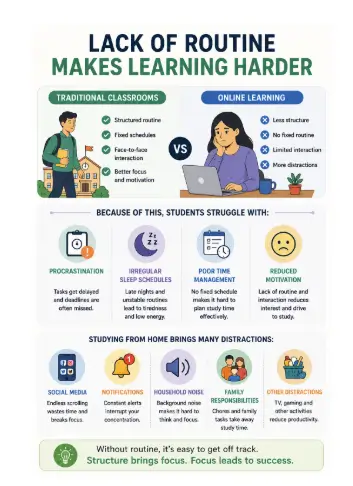
Online learning removes much of this structure.
Because of this, many students struggle with:
- Procrastination
- Irregular sleep schedules
- Poor time management
- Reduced motivation
Studying from home also brings many distractions. Social media, notifications, household noise and family responsibilities can make it difficult to focus for long periods.
Why Online Learning Feels More Stressful
Many students think online education will reduce pressure. In reality, virtual learning often requires more self-discipline and independent study habits.
Multitasking Reduces Concentration
During online classes, students often try to do several things at once. They may attend lectures while replying to messages, checking social media, or working on assignments.
This habit reduces concentration and increases mental stress.
Studies have shown that constant multitasking can affect memory, attention span and learning ability. Instead of saving time, it often leaves students feeling mentally drained.
Isolation Can Affect Mental Health
Social interaction plays an important role in education. Classroom discussions, campus activities and conversations with friends help students stay motivated and emotionally balanced.
Virtual learning limits many of these experiences.
Students studying online may experience:
- Loneliness
- Anxiety
- Low confidence
- Emotional burnout
This can be especially difficult for first-year students who are still adjusting to college life.
Online Exams Create New Stress
Online exams have introduced a different type of academic pressure for students.
Technical Problems Increase Anxiety
Many students worry about:
- Internet failures
- Webcam issues
- Software crashes
- Login problems
- Accidental submission errors
Even small technical issues during an exam can increase panic and affect performance.
Because of this, many students now discuss common test anxiety symptoms linked to online assessments and remote learning pressure.
Remote Monitoring Adds More Pressure
Many schools now use online proctoring software during exams. These systems monitor students through webcams to prevent cheating.
While the goal is to protect academic integrity, constant monitoring can increase stress levels.
Some students worry about being unfairly flagged because of simple actions like:
- Looking away from the screen
- Adjusting posture
- Background noise in their homes
This pressure can make students feel uncomfortable during exams.
Why Students Look for Extra Academic Support
Today’s students often balance many responsibilities at once. Along with studies, many also manage:
- Part-time jobs
- Internships
- Family duties
- Financial pressure
Handling all of these responsibilities together can become overwhelming.
As workloads increase, some students begin looking for outside academic help or online class support to better manage deadlines and coursework.
This growing trend shows how stressful virtual learning has become for many students.
Burnout Is Becoming More Common
Student burnout is becoming a serious problem in online education.
Common signs include:
- Constant tiredness,
- Lack of motivation,
- Difficulty focusing,
- Emotional exhaustion,
- Declining academic performance.
Many students ignore these warning signs until stress begins affecting their personal lives and mental health.
Simple Ways Students Can Reduce Stress
Although online learning can feel overwhelming, small lifestyle changes can help students feel more balanced and focused.
Create a Daily Routine
A simple routine can improve productivity and reduce stress.
Students should try to:
- Set regular study hours
- Plan tasks ahead of time
- Take short breaks
- Create a quiet study space
Structure helps students stay organized and motivated.
Take Breaks From Screens
Long screen time affects both mental and physical health.
Students should spend time away from devices by:
- Exercising
- Walking outside
- Reading physical books
- Meditating
- Spending time with friends and family
Even short digital breaks can improve focus and reduce fatigue.
See also: Industrial IoT: Transforming Manufacturing
Schools Should Support Students Better
Educational institutions also play a major role in reducing student stress.
Flexible Policies Can Help
Schools and colleges can improve online learning by:
- Offering flexible deadlines
- Reducing excessive screen-heavy work
- Improving technical service
- Encouraging healthier workloads
Supportive policies can make students feel less pressured.
Mental Health Support Is Important
Student mental health should remain a priority in modern education.
Schools should continue investing in:
- Counseling services
- Wellness programs
- Peer support groups
- Stress management resources
Students perform better when they feel emotionally supported.
Conclusion
Virtual learning has changed education in many positive ways. It offers flexibility and access to learning opportunities for students around the world. However, it has also created emotional and mental challenges that many students did not expect.
From screen fatigue and isolation to online exam pressure and burnout, virtual learning can feel overwhelming for many students. While some adapt successfully, others struggle to maintain balance, focus and motivation.
As online education continues to grow, students, teachers and schools must work together to create healthier learning environments that service both academic success and mental well-being.
FAQs
Why do students struggle with virtual learning?
Students often struggle because of screen fatigue, distractions, isolation and lack of routine.
Why are online exams stressful?
Online exams can create anxiety because students worry about internet problems, webcam monitoring and technical failures.
How can students reduce online learning stress?
Students can reduce stress by following routines, taking breaks, sleeping properly and limiting distractions.
Why do students seek academic support online?
Many students balance studies with work, internships and personal responsibilities, which increases academic pressure.
Is virtual learning harder than classroom learning?
Virtual learning may not always be academically harder, but it often feels more stressful because students must manage their own schedules and stay motivated independently.
Author Bio
Michelle Meng is an educational content writer who focuses on student wellness, virtual learning challenges, academic productivity and digital education trends.
